 Bill Ford-Smith
Rhamphorhyncus
This is a close-up of a well-preserved Rhamphorhyncus from the Royal Ontario Museum; it’s from the Middle Jurassic, so it’s at least 161 million years old. Rhamphorhyncus was a pterosaur (so, not a dinosaur, as any fule kno) – apparently, the name means ‘beak snout’. This particular fossil came from the Bavarian Solnhofen limestone (noted for its beautifully preserved fossils, including Archaeopteryx) and is…

People too?
It’s difficult to do Orang-utans justice in just a few lines; they have such intelligence and depth to them – I still recall being taught about their behaviour, when I was at university and eventually reaching the conclusion that you can make a very good case that they are people too – admittedly, hairy orange ones. When you meet their eye or watch them…

A grand old lady
This is Merriweather, Toronto Zoo’s venerable Clouded Leopard (Neofelis nebulosa); every other time I’ve visited her, she’s been asleep – this was a rare opportunity to see her moving about. When you’re as old as this Clouded Leopard, you’re entitled to a bit of rest! A typical life-span for a Clouded Leopard in captivity is apparently a little over a decade; Merriweather was almost…
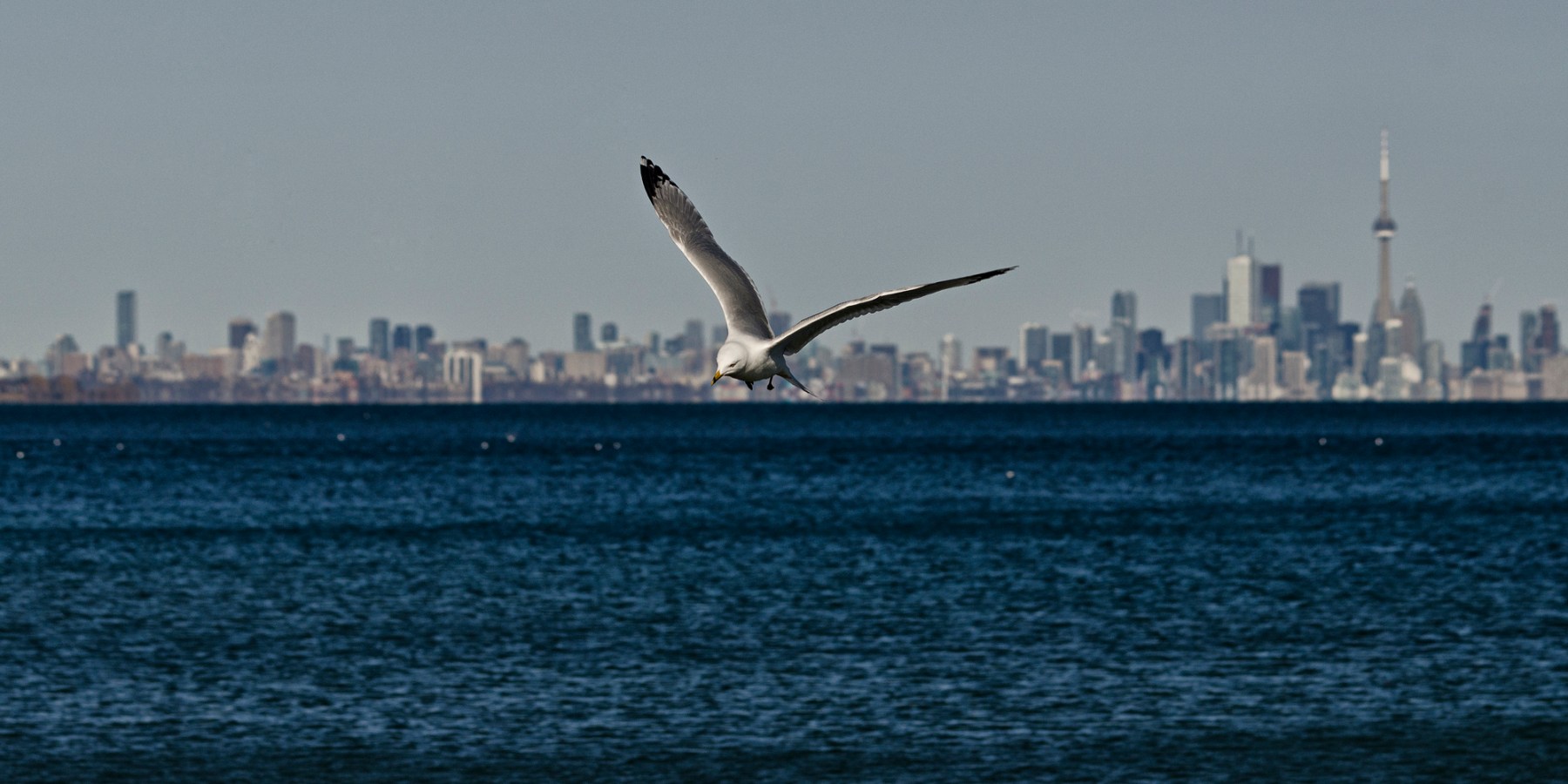
Seagull against the Toronto skyline
This image was taken on a beautiful sunny afternoon in the middle of March last year; I had done a walk along the lake-shore to Rattray Marsh and was heading back to the car – although it was beautifully sunny and the water was crystal clear, it was also d**n cold (to use the technical meteorological term) and strategic bits of me were starting…
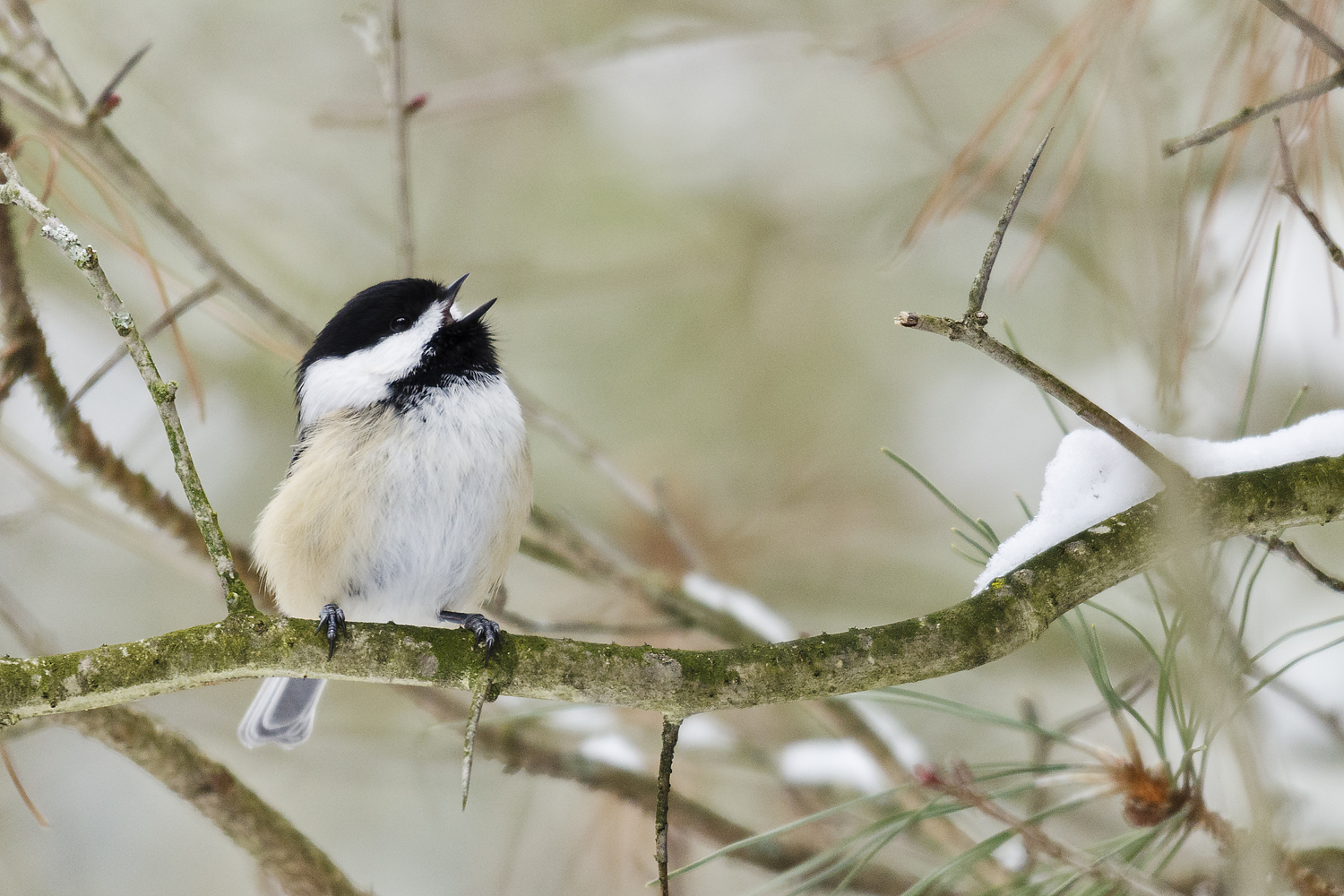
Chickadee in winter
I’m rather fond of chickadees; they’re as close as you get to things like Blue Tits (Cyanistes caeruleus for any North Americans who haven’t heard the word used in an avian context!) in Canada and are thoroughly charming little things. A highlight of a winter walk in some of the woods around here is getting them to feed from your hand. Whilst doing the…
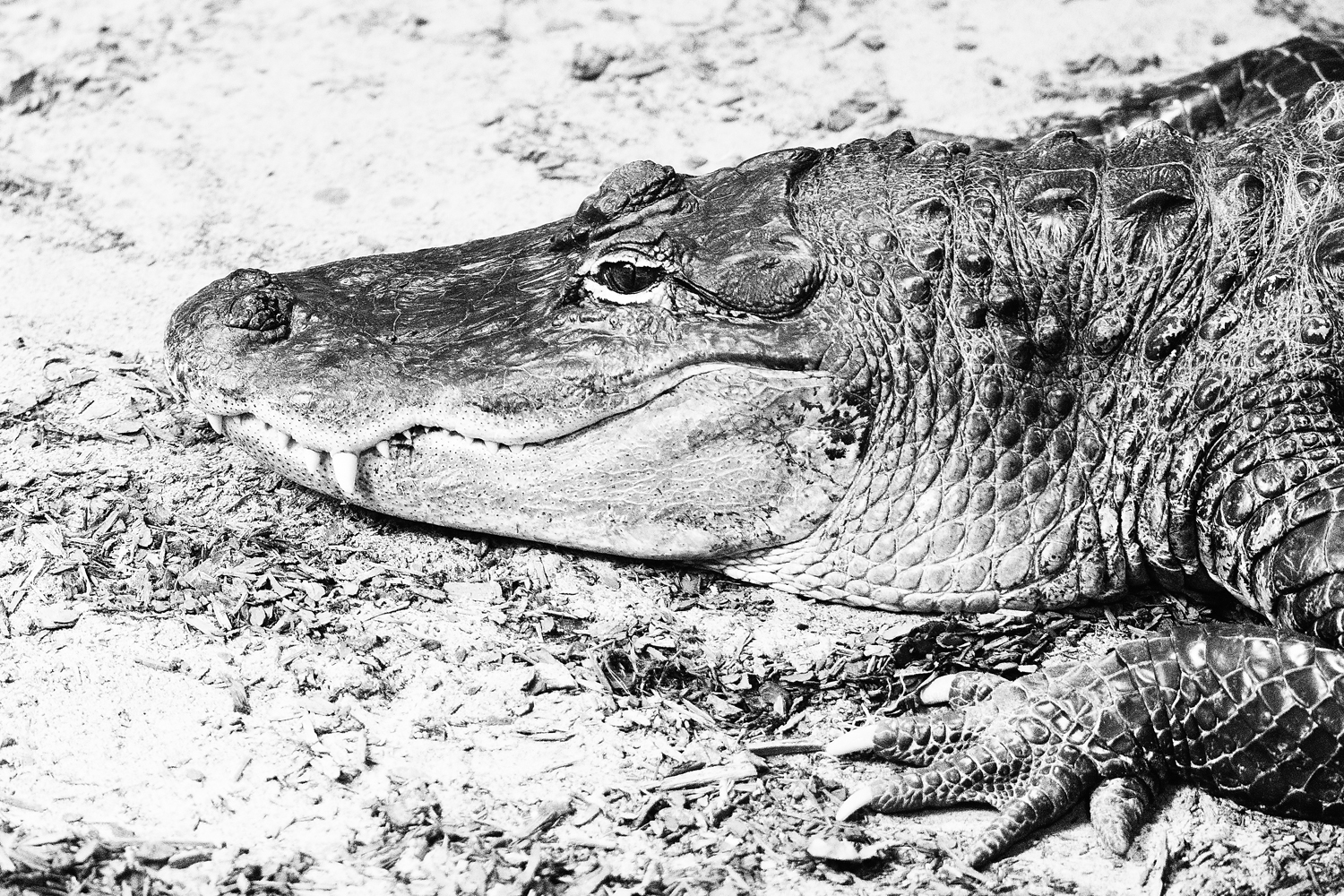
Crocodilian
This rather splendid fellow is a resident of Toronto Zoo, although I’m embarrassed to say that I can’t remember the species – it’s some sort of modest-sized crocodilian, possibly an American Alligator. One has to be very careful when visiting zoos in Ontario: mainly due to a lack of serious regulation, a lot of them are apparently very sketchy in terms of animal welfare…

Golden-Crowned Kinglet
This shot was taken at Ball’s Falls, near Hamilton; much as I would love to claim that I deliberately got the soon-to-be-lunch insect in the shot, that would be a complete lie, alas – I was only trying to get a decent shot of the bird (the blighters move very fast) and got lucky! According to my bird-book, this is a Golden-Crowned Kinglet (Regulus…

Cicada exuvia
When I originally found this, I had to search online to find out what it was: it’s the exuvia of a cicada of some description. The main thing that struck me about this thing was the enormous fore-legs, which are an adaptation for digging. You can also see some remaining dried earth stuck to it, from its life underground. Incidentally, I was once taught…
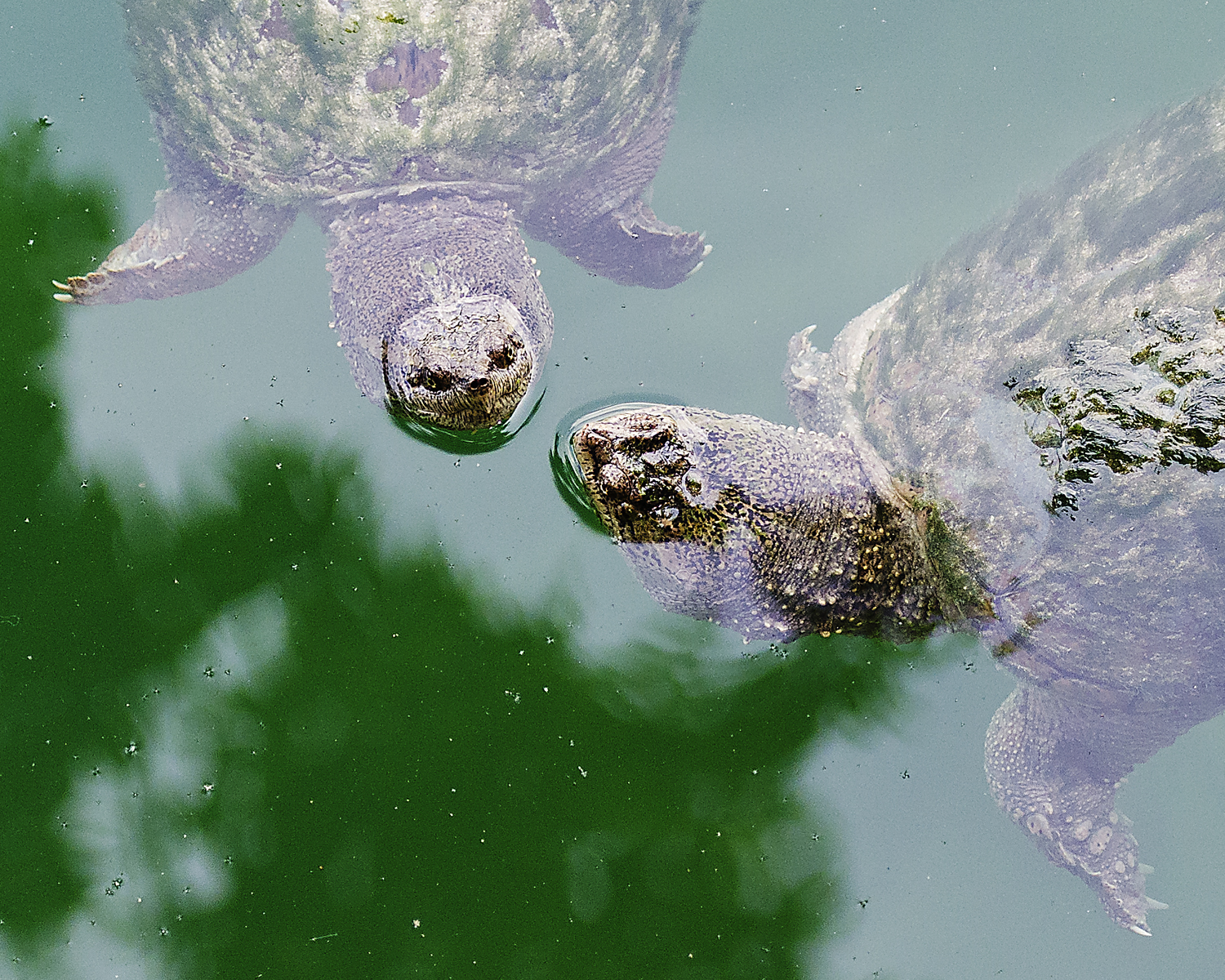
Snapping Turtles
As I’ve alluded to elsewhere, one of the really cool things about Canada is that humanity hasn’t killed off all the big interesting animals here yet (unlike in the UK); as well as that, Canada has turtles! In the UK, we don’t have any native turtles; occasionally, you get the odd feral Red-Eared Slider taking up residence when its original owners decided that they…

My first raccoon
As most people know, the raccoon (Procyon lotor) is a very common animal all over North America; in the days before leaving the UK, I had even read an article (In BBC Wildlife magazine) explaining that not only were they very common, but the ones in the Toronto area were, on average, larger than the regular ones and had an extra offspring each season….
 Bill Ford-Smith